
Outdoor workshops that drive real community change


Forest Forward Team
20-05-2026
•Why most sustainability workshops fail before they start
We see this constantly in our work with CSR and sustainability managers across Belgium: the brief comes in asking for "something impactful," but the format that gets approved is a keynote in a tent followed by a nature walk. Awareness goes up for a day. Engagement numbers stay flat. And when reporting season arrives, there's nothing concrete to put in the ESG documentation.
The problem isn't the outdoor setting. The problem is that most programs are built around inspiration rather than output. They tell employees why sustainability matters without giving them anything real to do about it. That's the gap we've spent years closing.
The shift that changes everything is simple: from talk to action. An outdoor workshop that drives real community change isn't a workshop about community change. It's one where participants physically contribute to a measurable outcome, whether that's restoring a nature trail, supporting a food bank's logistics, or co-creating materials for a local care initiative.
What separates an impact workshop from a green day out
The design principles matter more than the location. We've built and run these programs for companies across sectors, and the ones that generate reportable outcomes share five consistent features.
A concrete community goal, not a theme. "Sustainability" is not a goal. Restoring 400 meters of degraded footpath in Nationaal Park Hoge Kempen is. Supporting a regional food bank to process an additional 200 kg of surplus produce is. The goal has to be specific enough that participants know whether they achieved it by the end of the day.
A direct action component. Not discussion, not ideation, not watching an expert present. Participants plant, sort, repair, build, clean, or co-create something that leaves the site better than they found it. David Kolb's experiential learning framework identified in 1984 as the essential difference between passive instruction and actual learning: concrete experience, followed by reflection, leads to genuine behavioral change.
A visible link to your ESG strategy. The community action shouldn't feel like a detour from your company's purpose. It should be a demonstration of it. When we design these programs, we work with the client's materiality priorities so the activity maps directly onto what they're already reporting against, whether that's biodiversity, social inclusion, or circular economy.
A measurable result. Kilograms collected, trees planted, volunteer hours logged, meters of habitat restored. These numbers belong in your ESG documentation. They're not vanity metrics; they're evidence that the event created genuine social or environmental value, not just a good atmosphere.
A structured follow-up moment. Without it, the experience stays a one-day event. A short debrief that asks "what does this mean for how we work next quarter?" turns a community action into an internal catalyst.
How outdoor settings amplify the impact
There's a practical reason to take these programs outside, beyond the aesthetic. Research from the World Health Organization confirms that time in natural environments supports stress reduction and psychological recovery. That matters for engagement quality: employees who are less cognitively depleted are more present, more willing to take creative risks, and more likely to retain what they experienced.
For sustainability managers, this creates a genuine double benefit. The outdoor setting isn't just a backdrop; it's part of the program's logic. When a team spends a morning restoring a section of nature reserve, they're not just generating ESG output. They're experiencing the thing they're being asked to care about. That embodied connection is what makes the sustainability message land differently than a slide deck ever could.
Our outdoor team building workshops consistently show higher post-event engagement scores precisely because participants leave having done something, not just heard something.
What community change actually looks like in practice
The range of meaningful community goals for outdoor workshops is broader than most companies assume. Depending on your sector, geography, and ESG priorities, the action component might include:
- Nature restoration: trail maintenance, biodiversity surveys, habitat planting in Belgian national parks
- Social impact: hands-on support for food banks, care farms, or organizations working with vulnerable populations
- Circular economy: repair workshops, upcycling sessions, or material sorting alongside waste management partners
- Citizen science: data collection for environmental monitoring programs that feed into public research
- Local community anchoring: partnering with a neighborhood initiative to co-produce something of lasting value
The key is that the partner organization genuinely benefits. This is where we draw a hard line. In our impact event programs, we pay our partner social organizations real fees for their time and expertise. They're not a backdrop for your team photo. They're co-deliverers of a program that creates value for them too. That distinction is what separates credible CSR from greenwashing, and it's the first thing your employees will notice.
If you're skeptical about whether a one-day event can move the needle, read how volunteer work creates genuine wellness benefits for nonprofits as well as participants. The impact runs in both directions.
Embedding outdoor workshops into your ESG program architecture
A single outdoor workshop is a strong proof of concept. A programmatic approach is what actually shifts culture.
The most effective CSR managers we work with don't treat these events as isolated activities. They embed them into a broader architecture: a company-wide CSR week, a leadership development track, an onboarding program, or an annual impact day that becomes part of the employer brand. Each event generates its own measurable output, and together they build a narrative of sustained commitment rather than one-off gestures.
The Corporate Sustainability Reporting Directive (CSRD), which entered into force in 2023 under the European Commission's sustainability reporting framework, is accelerating this shift. Companies now need to demonstrate not just policy commitments but actual behavioral and operational change across their workforce. An outdoor workshop that produces documented outcomes, logged volunteer hours, and employee engagement data is a contribution to that evidence base. One that produces good feelings is not.
Our sustainable talks and walks programs are designed specifically to bridge the gap between ESG strategy and employee understanding, using storytelling, expert input, and nature-based experiences to turn abstract targets into something people actually connect with. They work particularly well as a companion to a hands-on impact day: the morning gives context, the afternoon gives action.
For companies looking to involve families in that story, our corporate family day programs extend the same logic to a wider audience. Held primarily in Belgian national parks including Nationaal Park Hoge Kempen, where we've already brought thousands of people together, these events connect employees and their families to the natural environments your sustainability strategy is designed to protect. That's a lived experience of your company's values, not a communication about them.
The difference between a sustainability event that generates documentation and one that generates change is whether participants leave having done something real. Now that you understand the design principles that separate impact workshops from green days out, you can brief, evaluate, and commission programs that hold up under ESG scrutiny. To start building an outdoor workshop tailored to your community goals and reporting needs, reach out to the Give it Forward team and we'll map the right format to your priorities.
Frequently asked questions
What makes an outdoor workshop different from standard corporate volunteering?
Standard corporate volunteering typically involves employees donating time to a cause. An outdoor workshop with community impact goes further: it's designed around a specific, measurable goal, structured to connect that goal to the company's ESG strategy, and built so participants leave with both a tangible contribution and a reflective understanding of why it matters. The outcome is useful for ESG reporting in a way that an ad hoc volunteer day usually isn't.
How do we measure the impact of an outdoor community workshop for ESG reporting?
Measurable outputs depend on the activity chosen, but typically include volunteer hours logged, kilograms of material collected or processed, square meters of habitat restored, trees planted, or units produced for a social organization. These figures are documented during the event and can be included directly in ESG or CSR reports. Programs designed with CSRD compliance in mind will align outputs to specific ESRS indicators from the outset.
Can an outdoor workshop genuinely benefit the partner organization, or is it mostly symbolic?
It depends entirely on how the partnership is structured. Programs where the partner organization is compensated fairly for their time, expertise, and resources create genuine benefit. Programs where a nonprofit simply hosts a group of volunteers for a morning without compensation or follow-up are largely symbolic. At Give it Forward, we pay our partner organizations real fees, which is what makes the relationship credible and sustainable.
What community goals are realistic for a one-day outdoor workshop?
Realistic goals for a single day include: restoring a defined section of nature trail, processing a measurable volume of food bank donations, completing a biodiversity survey of a specific area, building or repairing equipment for a care organization, or running a repair or upcycling session with a circular economy partner. The goal should be specific enough to be completed and documented within the event timeframe.
How do we stop employees from seeing this as just another company day out?
The design has to make the stakes clear from the start. When employees understand that the organization they're working alongside genuinely depends on the output, and when they can see the measurable result of their work at the end of the day, the experience registers differently. Framing matters too: briefing participants on the community context before the event, and debriefing on what changed after it, are what convert a pleasant day into a meaningful one.
How does an outdoor impact workshop connect to CSRD compliance?
The CSRD requires companies to report on social and environmental impacts, not just policies. Documented community actions, logged volunteer hours, and employee engagement data generated by a well-designed outdoor workshop contribute to the evidence base required under the European Sustainability Reporting Standards (ESRS). The key is that the program is designed with reporting in mind from the outset, with clear objectives that map to material ESG topics already identified in your reporting framework.
Sources
- European Commission, 2023 — Corporate Sustainability Reporting Directive (CSRD) and ESRS implementation overview
- David A. Kolb, 1984 — Experiential Learning: Experience as the Source of Learning and Development, foundational framework for active, contextual learning
- World Health Organization, Europe — Nature-based environments and their documented relationship to stress reduction and psychological wellbeing
Share this post
Forest Forward Team
Stay up to date with our latest insights
Related articles

Corporate social responsibility programs that actually work
A CSR program only pays off when it's structural, measurable and tied to daily operations, not a one-off gesture that ends the moment the photos are posted.

Volunteer team building: can your company outing be a volunteer action?
Yes. Not as a side activity bolted onto a normal team day, but as the team day itself, with the volunteer work as the main event.
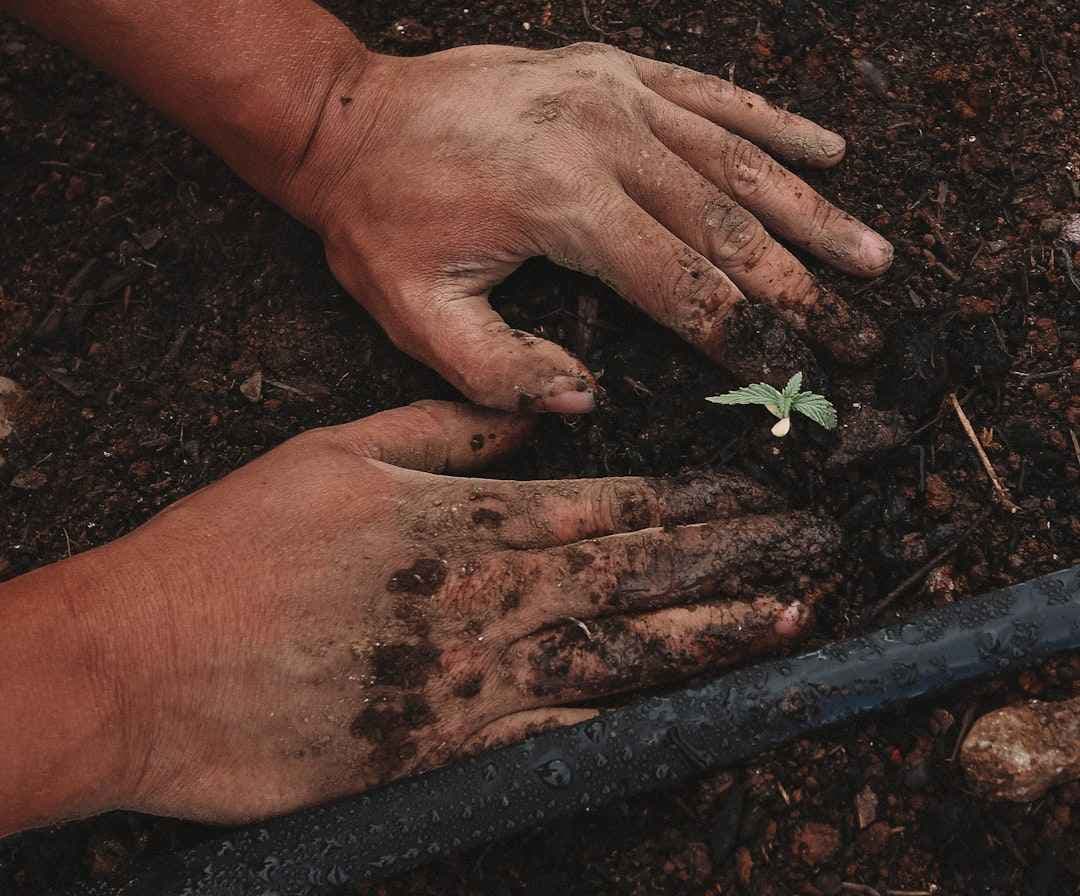
Team building tree planting days: how to make it a real team event, not just a donation
You can run a company tree planting day that is both a genuine team building experience and a real environmental project, but only if you design the day around your people, not just around the trees.