Sustainable family day in a national park: practical tips

Forest Forward Team
11-05-2026
•We run corporate family days in natural settings across Belgium, and the pattern we see repeatedly is this: HR managers arrive at a national park event expecting logistics to be the hard part. The real challenge turns out to be designing a programme that works simultaneously for a four-year-old, a teenager, a grandparent, and a colleague who came alone. Get that right, and everything else follows. Get it wrong, and even a stunning setting feels like a wasted afternoon.
What follows is a practical framework built from what we have learned running these events at Nationaal Park Hoge Kempen and other Belgian green spaces, where we have already brought thousands of employees and their families together.
Why a national park beats every other family day venue
A national park solves three problems at once. It provides a genuinely neutral, non-corporate atmosphere that puts everyone at ease regardless of their role or seniority. It creates built-in programming through trails, water features, and wildlife that children engage with instinctively. And it gives your sustainability messaging a physical anchor: you are not just talking about ESG values, you are standing inside them.
The contrast with conventional options matters. Theme parks are loud, expensive, and leave employees feeling like the company took the easy route. BBQs in the car park are pleasant but forgettable. A guided bike safari through protected heathland, followed by a shared meal prepared from local ingredients, is something families photograph and remember. That memory is what builds genuine employer pride, which is exactly what a family day is supposed to deliver.
If you are weighing the business case, the article on how family days boost employee wellness and engagement lays out the evidence in detail.
How do you design activities that work for every age group?
The answer is parallel programming with shared moments, not a single activity that tries to please everyone and ends up pleasing no one.
Structure the day in two layers. The first layer is a shared anchor activity: a guided nature walk, a bike safari, or a survival trail that families complete together at their own pace. Choose routes with multiple distance options so grandparents and parents with pushchairs are not left behind. The second layer is parallel programming at base camp: a nature craft station for young children, a junior ranger challenge for older kids, and a quieter social space for adults who want to sit and talk.
Specific activities that consistently land across age groups in our experience:
- Guided bike safaris on flat, marked trails with e-bike options for those who need them
- Water activities such as canoe tours or guided walks along streams, which engage children without requiring athletic ability
- Nature scavenger hunts with age-tiered challenges: collecting three types of leaves for a five-year-old, identifying bird calls by app for a twelve-year-old
- Survival skills workshops like fire-starting or shelter-building, which teenagers find genuinely compelling and adults enjoy watching
- Culinary experiences built around local and seasonal food, which give partners and non-outdoorsy attendees a comfortable social anchor
The key principle: every activity should have a low floor and a high ceiling. Easy enough that no one is excluded, engaging enough that no one is bored.
What does a genuinely sustainable national park event look like in practice?
Sustainability at a corporate event is not just a compostable cup. It means transport, catering, waste, and your relationship with the park itself.
Transport first. Encourage carpooling with a coordinated meeting point, or arrange group transport by coach or train from a central location. At Hoge Kempen, the park's own bike rental infrastructure means families can leave cars at the entrance and move through the park entirely on two wheels. Avoiding drone use, staying on marked paths, and briefing attendees on wildlife distancing rules are basic courtesies that every serious event provider should build into the programme brief.
Catering second. Replace single-use plastics with reusable crockery and genuine recycling stations. Source food from local producers: a food truck running on seasonal Belgian ingredients is both more sustainable and more interesting than a catering van with standard conference food. Brief your caterer on biodegradable packaging before the contract is signed, not after.
Waste third. Assign a waste coordinator, not just a bin. A litter pick at the end of the day, framed as a collective act of care for the park, turns cleanup into a meaningful closing ritual rather than an embarrassing chore. Children respond particularly well to this when it is presented as a Junior Ranger responsibility.
Your relationship with the park matters most. Working with a provider that has an established partnership with the park, rather than booking a one-off permit, means the park benefits financially and ecologically from your presence. At Give it Forward, we pay partner organisations real fees for their involvement. That is not a marketing claim: it is the structural difference between an event that extracts value from a natural space and one that contributes to it.
For HR managers who need to connect this to formal reporting, the guide on making your business CSRD-compliant explains how nature-based employee events can feed into your social and environmental disclosures.
How do you handle bad weather without losing the day?
Rain is the objection we hear most often from HR managers, and it is a fair one. The answer is design redundancy, not a backup venue.
Build weather resilience into the programme from the start. Choose a location with covered spaces that feel like part of the natural setting, not a sports hall bolted onto a car park. At Hoge Kempen, the visitor centre and covered pavilion areas mean that a wet afternoon shifts the programme rather than cancelling it. Guided survival workshops and nature craft activities actually become more atmospheric in light rain. Waterproof ponchos branded with your company logo are a practical touch that doubles as a take-home item families actually use.
The honest position: a well-designed outdoor programme in Belgium needs to be functional in 12 degrees and drizzle, because that is a realistic May or September afternoon. Providers who cannot guarantee that have not thought the programme through properly.
How does a family day connect to employer branding and ESG reporting?
A family day in a national park is not a soft HR perk. It is a strategic communication to three audiences at once: your employees, their families, and the external talent market.
For employees, the message is that the company's sustainability values are lived, not laminated. Spending a day in protected nature, participating in activities that contribute to the park's mission, and seeing the company's ESG commitments made tangible is qualitatively different from reading about them in an annual report.
For families, it is proof that the company respects the whole person, not just the employee. Partners and children who leave a family day with a positive impression become genuine advocates for your employer brand in conversations you never hear.
For ESG reporting, a nature-based family day with a measurable social impact component, documented participation rates, and a certified sustainable venue generates data points that feed directly into your S and E pillars. Our sustainable event formats are explicitly aligned with UN Sustainable Development Goals, which means the connection to your ESG framework is built in rather than retrofitted.
If you want to extend the sustainability narrative beyond a single day, our sustainability talks and walks programme turns the family day into the opening chapter of a longer employee engagement story.
A national park family day done well is not a nicer version of a theme park outing: it is a fundamentally different statement about what your company values. Knowing this means you can stop searching for a venue and start designing an experience that your employees will use as evidence of why they chose to work here. Tell us what your family day needs to achieve, and we will build the programme around it: start the conversation with our team.
Frequently asked questions
Can a national park family day work for 200 or more employees and their families?
Yes. National parks like Hoge Kempen have the physical scale to accommodate large groups without the crowding that makes theme parks feel overwhelming. The key is splitting the group into smaller programme streams that run in parallel, then bringing everyone together for shared moments like a communal meal or a closing activity. Give it Forward has brought thousands of people together at Hoge Kempen specifically, so the logistics of large-scale nature events are a core part of what we build for.
How do we make the family day inclusive for single parents and non-traditional family structures?
Design the programme around the individual, not the assumed family unit. Avoid paired activities that presuppose two adults. Make sure every activity has a solo-friendly version. Frame the day as "bring whoever matters to you" rather than "bring your family," which immediately broadens who feels welcome. In practice, this means the programme design needs to be tested against diverse scenarios before the day, not adjusted on the spot.
What is the minimum planning lead time for a corporate family day in a national park?
For large groups in peak season (May through September), a minimum of three months lead time is realistic. Popular locations and dates fill quickly, and end-to-end programme design, catering coordination, and transport logistics all require time to do properly. For organisations planning their annual calendar, booking in January or February for a summer event is the most reliable approach.
How do we demonstrate ROI or ESG value from a family day to leadership?
Measure three things: participation rate as a percentage of total headcount, post-event employee sentiment via a short survey, and any documented environmental contribution (litter collected, distance of marked trail maintained, fees paid to the park or partner organisation). These three data points give you a social impact figure, an employee wellbeing metric, and an environmental contribution, which map directly onto ESG reporting frameworks. Give it Forward's programmes are aligned with specific UN SDGs, which simplifies the reporting connection.
What happens if the weather is bad on the day?
A well-designed outdoor programme for Belgium accounts for rain from the start. Covered spaces, weather-appropriate activities like survival workshops and nature crafts, and waterproof gear for participants mean the programme adapts rather than collapses. Providers who cannot answer this question specifically have not built weather resilience into the design. Always ask for the wet-weather programme version before you sign.
How is a Give it Forward family day different from booking a park directly?
Booking a park directly gives you a venue. Give it Forward gives you a fully designed programme, end-to-end logistics management, age-appropriate activities for everyone from toddlers to grandparents, catering coordination, and a built-in sustainability framework aligned with your ESG strategy. The park partnership also means your fees contribute directly to the park's mission, which is a reportable social impact rather than just a venue hire cost.
Share this post
Forest Forward Team
Stay up to date with our latest insights
Related articles

Corporate social responsibility programs that actually work
A CSR program only pays off when it's structural, measurable and tied to daily operations, not a one-off gesture that ends the moment the photos are posted.

Volunteer team building: can your company outing be a volunteer action?
Yes. Not as a side activity bolted onto a normal team day, but as the team day itself, with the volunteer work as the main event.
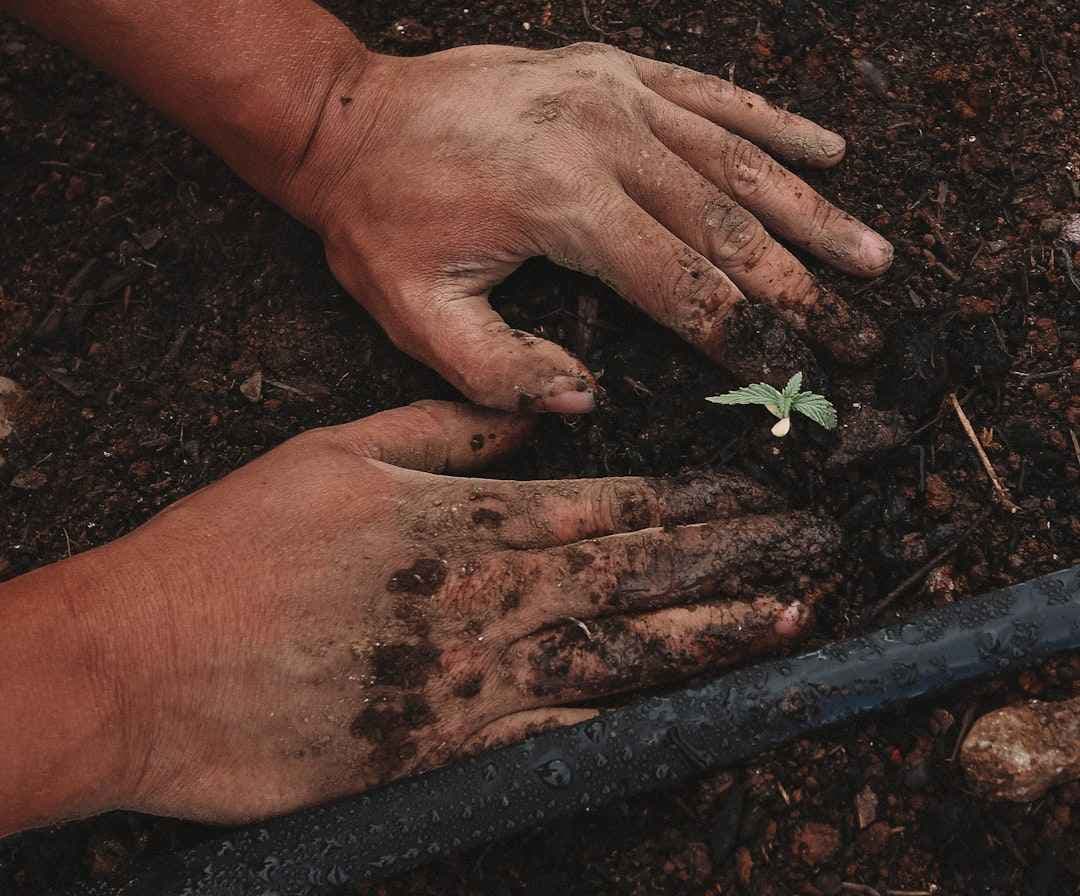
Team building tree planting days: how to make it a real team event, not just a donation
You can run a company tree planting day that is both a genuine team building experience and a real environmental project, but only if you design the day around your people, not just around the trees.