
Sustainable team outing with volunteering impact

Forest Forward Team
29-07-2026
•Rather than choosing between "team fun" and "doing something meaningful," you get both in the same day: a group activity that pulls people out of their routine, plus real, visible work that leaves something behind. We see this constantly in our work with HR and CSR teams across Belgium: the outings that get talked about a year later aren't the ones with the best catering, they're the ones where the team actually built or restored something with their hands.
What makes a team outing "sustainable" instead of just a nice day out?
A sustainable team outing is one where the activity itself produces a measurable social or ecological result, not just a pleasant memory. The difference between a standard corporate outing and a sustainable one comes down to three layers working together: genuine team enjoyment, real social or environmental contribution, and impact you can actually report on afterward.
Most classic outings stop at layer one. A cooking workshop, an escape room, a go-kart afternoon: fun, but forgettable, and it gives HR nothing to point to when justifying the budget to leadership. A sustainable outing adds the other two layers. The team works alongside a local social organization, a nature reserve, or a care institution on something concrete, and that contribution gets tracked: hours volunteered, square meters cleared, meals distributed, trees planted.
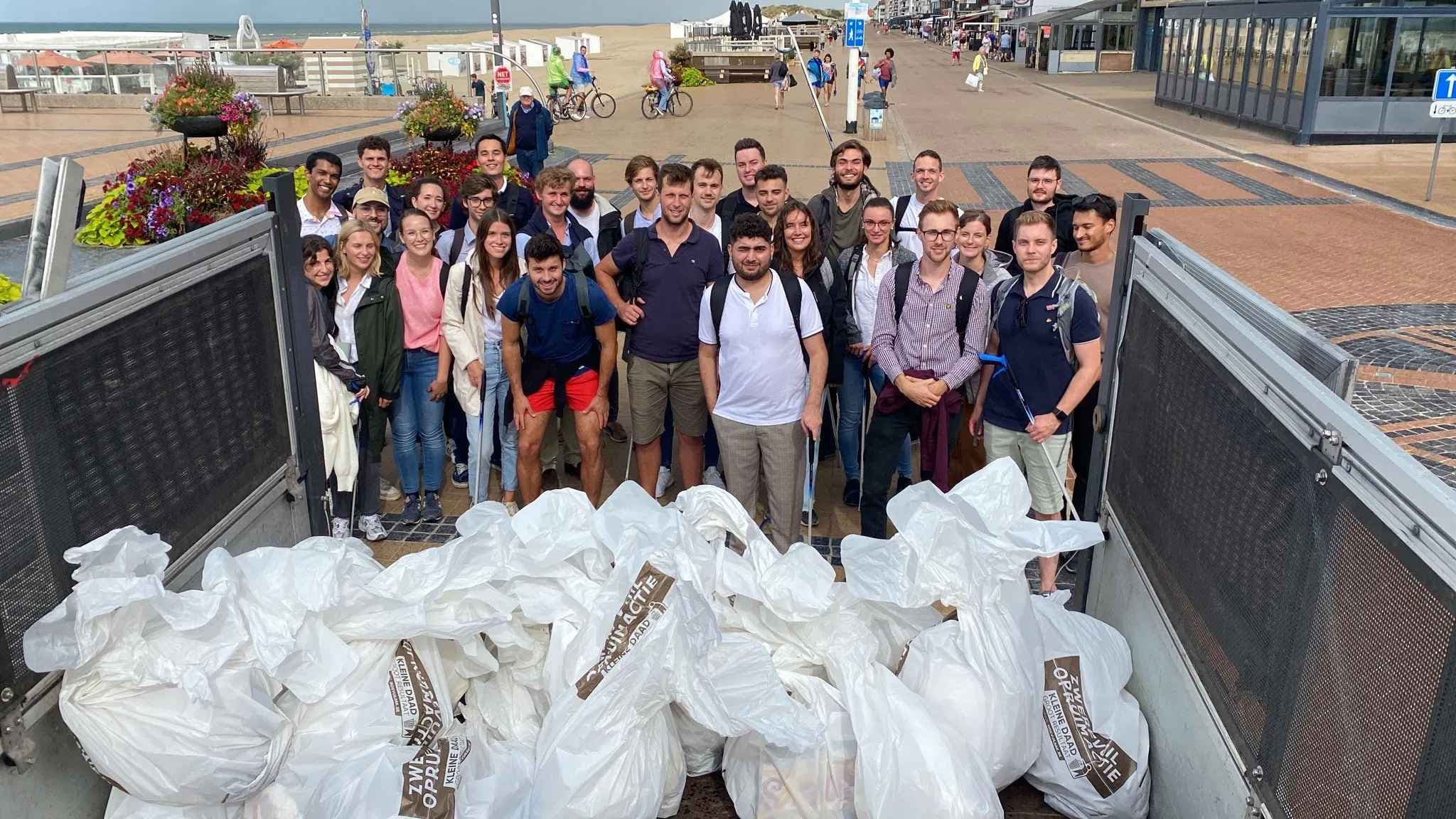
This is the structure behind our Impact Events: teams get paired with partner organizations working in care, food distribution, waste management, nature conservation, or social farms, guided the whole time by professionals from that field. The activity is real work, not a simulation of it. That's what separates a sustainable team outing from a themed one.
Which volunteering formats actually work for a corporate outing?
The formats that work best fall into two broad categories: hands-on social volunteering and hands-on nature restoration, both led by professionals and both producing something tangible by the end of the day.
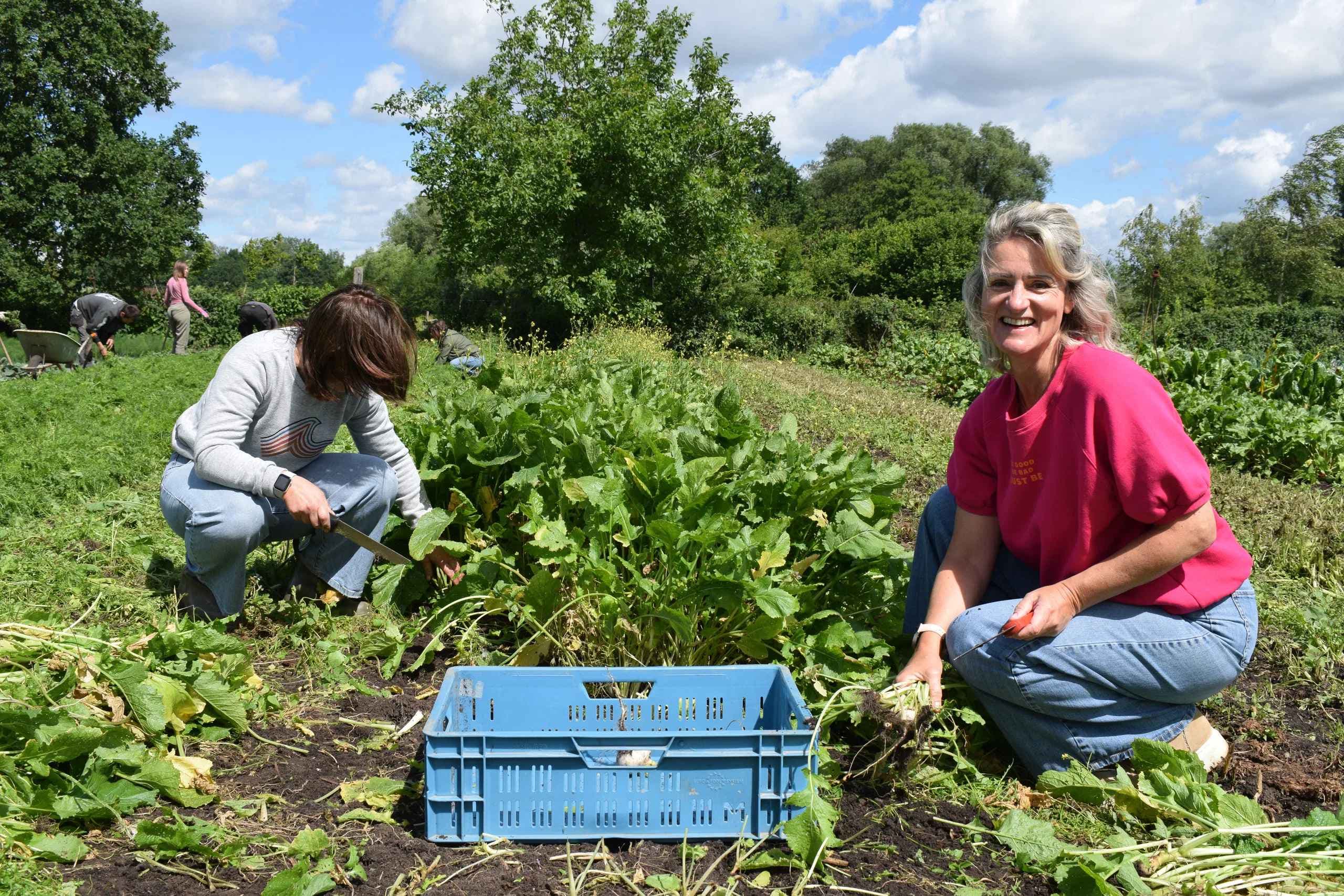
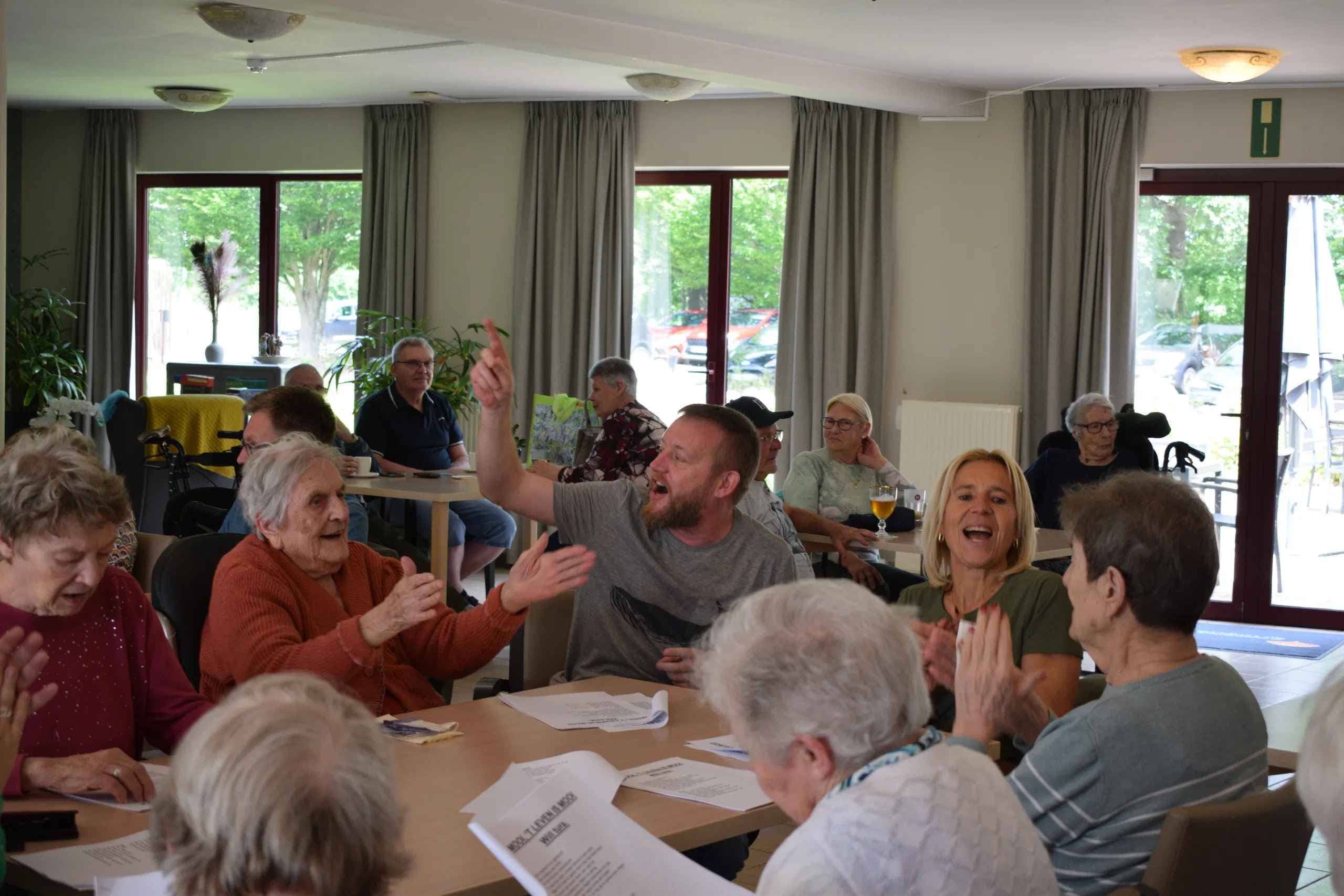
On the social side, that means teams working directly alongside a food bank, a care organization, or a social farm, doing real tasks that organization needs done that week. On the nature side, it means active restoration work: clearing invasive species, maintaining trails, planting, or supporting local conservation efforts, in partnership with nature managers who know the terrain and the priorities.
In our engagements across manufacturing, logistics, financial services, and healthcare clients, we've found that mixed-format days work best: a morning of guided hands-on work followed by an afternoon social component, like a shared BBQ or food truck lunch, so the day still feels like a team outing and not just a shift. This is a deliberate part of how we structure Impact Events: the volunteering isn't the whole day, but it's the anchor of it.
If your organization wants to extend this beyond a single event into an ongoing sustainability conversation, pairing a volunteering day with a sustainability-focused walk or workshop gives employees the "why" behind the action, not just the action itself. And if the goal is bringing families into the picture too, a family day in nature built around Hoge Kempen National Park extends the same values to a broader audience.
What are the four C's of volunteering, and why do they matter for a team outing?
The four C's commonly used to frame effective volunteering are commitment, connection, contribution, and consistency, and each one maps directly onto what makes a corporate volunteering outing succeed rather than feel like a one-off gesture.
Commitment means the activity has real stakes, not a symbolic task invented for the visit. Connection means the team interacts with the people or place they're helping, not just donates money from a distance. Contribution means the output is measurable: hours, materials, or outcomes that the receiving organization can point to. Consistency means the relationship doesn't end when the bus leaves; the strongest programs return to the same partner organizations, building a track record over multiple years rather than treating each outing as disconnected.
We build our partner network around that last point specifically. Forest Forward maintains fair, ongoing partnerships with participating organizations nationwide rather than one-off bookings, which means the social organizations and nature sites involved know what to expect from corporate teams and can plan real work around the visit, not busywork.
What are examples of sustainable activities that fit a corporate outing?
Concrete examples include invasive species removal in a nature reserve, trail restoration alongside a conservation partner, volunteering shifts at a food redistribution center, hands-on support at a social farm, and waste management projects run with local environmental organizations.
What makes these "sustainable activities for employees" rather than generic outdoor activities is the local, recurring nature of the work. A single tree-planting session is nice; a partnership with a nature site that the company returns to year after year, tracking cumulative impact, is what actually moves the needle on a CSR report. The most requested formats we run combine a physical outdoor task in the morning with a social or reflective element in the afternoon, whether that's a guided talk from the partner organization or a shared meal that closes the day on a high note.
This is also where the distinction between "team building" and "sustainable team building" becomes concrete rather than semantic. We've written more on that distinction in our piece on what sustainable team building actually means, and how it differs from simply hosting a standard outing somewhere green.
How do you turn one outing into ESG results you can actually report?
You turn a single outing into reportable ESG impact by defining the metrics before the event, not after, and by choosing a partner who documents hours, output, and outcomes as a standard part of delivery.
Before the day, agree on what "impact" means for this specific outing: volunteer hours logged, area restored, meals packed, or families supported. During the day, that data gets captured on-site by the organization running the activity. After the day, it feeds into two separate outputs: an internal summary for CSR and HR to report against sustainability targets, and external-facing content, photos, and numbers that marketing can use for employer branding and stakeholder communication.
Our approach to Impact Events handles this by building the reporting into the event itself, so CSR managers aren't left reconstructing what happened from memory weeks later. For companies building a longer-term program rather than a single outing, we've also written about how to structure an employee volunteering program that actually delivers results over multiple cycles, and how to connect a team day directly to formal ESG targets rather than treating it as a separate initiative.
Why does this outing format matter more for Belgian companies with ESG ambitions?
Because ESG ambitions only carry weight once they show up as local, specific, and repeatable action, and a volunteering-based outing is one of the few formats that produces that proof in a single day.
A slide with sustainability commitments is easy to write. What's harder is turning that language into something a team physically did, in a specific place, with a named partner organization, on a specific date, with numbers attached. That's the gap between companies who talk about ESG and companies who can show it. A well-run sustainable team outing closes that gap in one afternoon, and repeated over a few years, it becomes a genuine part of the company's story rather than a single slide in a sustainability report.
The strongest version of this isn't a symbolic gesture bought once and forgotten. It's a recurring, tailored partnership between your team and local organizations that compounds year over year into a story you can actually tell, internally and externally. Once you see a team outing this way, "day away from the office" and "measurable social contribution" stop being two separate line items on a budget. The next step is concrete: request a tailored Impact Events proposal and get a program matched to your sector, team size, and ESG goals.
Frequently asked questions
What are the four C's of volunteering?
The four C's are commitment, connection, contribution, and consistency. Commitment means the task has real stakes rather than being staged for visitors. Connection means direct interaction with the people or place being helped. Contribution means a measurable output like hours or materials. Consistency means returning to the same partner organizations over time rather than treating each event as a one-off.
What is sustainable volunteering?
Sustainable volunteering is volunteer work structured to produce lasting, repeatable impact rather than a single symbolic gesture. It typically involves an ongoing relationship with a local organization, measurable outcomes tracked over time, and activities chosen for their real value to the receiving organization, not just their appeal as a team activity.
What are examples of sustainable activities for a corporate team?
Examples include invasive species removal and trail restoration with nature conservation partners, volunteering shifts at food redistribution centers, hands-on support at social farms, and waste management projects. The strongest examples pair physical outdoor work with a social or reflective element, such as a shared meal or guided talk from the partner organization.
What are examples of voluntary activities suited to a team outing?
Voluntary activities suited to a team outing include working alongside care organizations, packing and distributing food, restoring natural areas, and supporting social farms. These work best when guided by professionals from the partner organization and combined with a social component like a group lunch, so the day still functions as a team outing rather than just a work shift.
Can a company outing be linked to both nature restoration and a social cause in one day?
Yes, many programs combine both by pairing a morning of hands-on nature work, such as trail maintenance or invasive species clearing, with an afternoon social element or a separate visit to a partner organization working in care or food distribution. The mix keeps the day varied while producing measurable impact across both categories.
How is this different from a standard team building day?
A standard team building day is measured by enjoyment alone. A sustainable team outing with volunteering impact adds two more requirements: a real contribution to a local social or environmental partner, and documented, reportable results, which makes it usable for ESG reporting and employer branding, not just morale.
Share this post
Forest Forward Team
Stay up to date with our latest insights
Related articles

Volunteer team building: can your company outing be a volunteer action?
Yes. Not as a side activity bolted onto a normal team day, but as the team day itself, with the volunteer work as the main event.
Employee volunteering programs: how to build one that actually delivers
A one-off volunteer day is not a programme. Here is how to design something that compounds over time, generates real ESG data, and makes your team genuinely proud.
Corporate volunteering day: how one day leaves a lasting mark
One well-organised volunteering day is the lowest-threshold way to turn your company's social ambitions into something real, visible and team-wide.