Sustainable team events boost employer branding. Here's why.

Forest Forward Team
28-07-2026
•Most employer branding advice sounds the same: post more on LinkedIn, polish your careers page, run an engagement survey. Useful, maybe. But it treats employer branding as a communications problem, when for most HR and People & Culture leaders the real problem is credibility. Candidates and employees have heard "we care about sustainability" so many times it's become background noise. What actually moves the needle is something they can see, touch, and point to a year later and say: we helped create that.
Why does a standard team building day no longer strengthen your employer brand?
A generic team building day (bowling, an escape room, a cooking workshop) creates a pleasant memory but no lasting proof point. It doesn't survive the test candidates increasingly apply: can you show me, not tell me?
We see this constantly in our work with HR and CSR teams across manufacturing, logistics, financial services, and healthcare in Belgium: the companies struggling hardest with employer branding aren't the ones without a sustainability story. They're the ones whose sustainability story lives only in a policy document or a slide in the onboarding deck. Employees can't point to it. Candidates can't verify it. It has no physical location, no photo, no name.
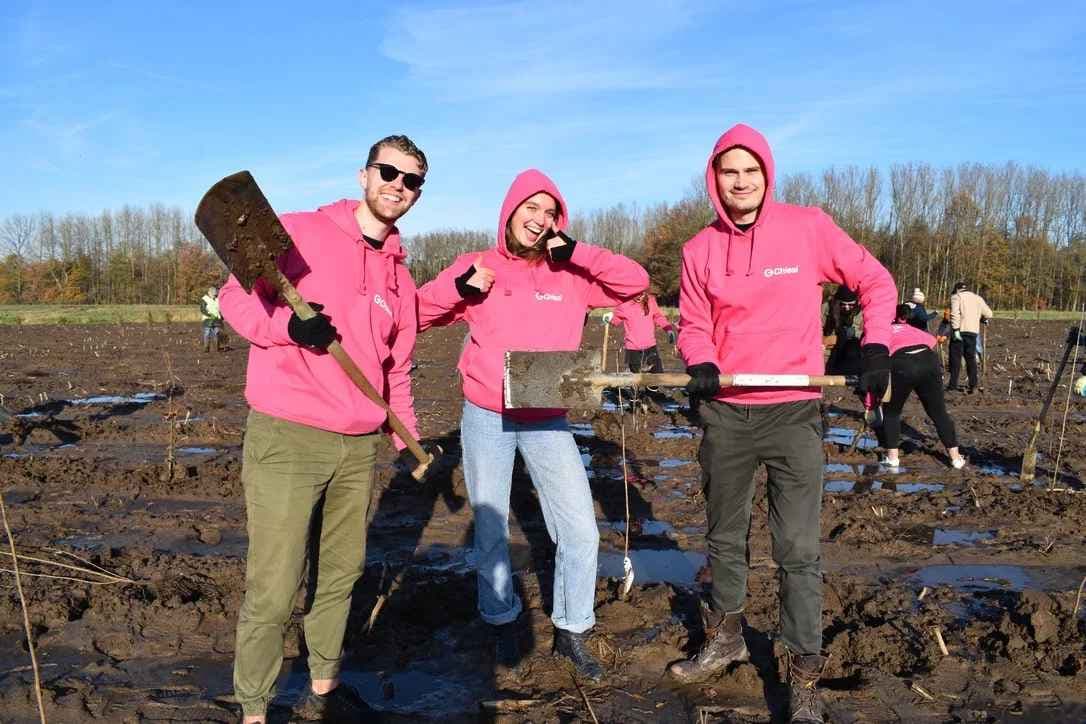
That's the gap a nature-based team event closes. Instead of a day that ends when the bus leaves, it produces something that stays exactly where your team put it: a stretch of forest, a restored green space, a school forest planted with a partner community. The team building becomes the origin story of something ongoing, not a one-off outing that gets forgotten by the next quarter.
What makes a nature-based team event different from a symbolic CSR gesture?
The difference is permanence and location. A symbolic gesture (a donation, a tree planted "on your behalf" somewhere unspecified) generates a certificate. A real nature project generates a place your employees can revisit, bring their kids to, and mention in a job interview five years from now.
Our approach with company forests is built around exactly this distinction. A corporate forest is public-access woodland, planted near your own location, with native species chosen for local biodiversity value, and it comes with more than 20 years of professional management behind it. That's not a metaphor for commitment. It's an actual legal and ecological structure that outlives the planting day itself. Employees who help plant it aren't performing sustainability for a photo. They're doing the physical labor that creates a habitat, and that labor is what makes the story credible later.
This is the structural reason nature-based team events outperform generic CSR days on employer branding metrics: they leave evidence. A LinkedIn post about "giving back" is forgettable. A LinkedIn post with your own employees standing in a forest they helped plant eighteen months ago, now visibly grown, is not.
Which nature project fits your company's sector and size?
The right project depends on what your company already touches, not on what's trendiest this year. Match the format to your sector and the story becomes authentic instead of generic.
Consider the variables that actually determine fit:
- Companies with a fixed office site and land access nearby get the most direct employer branding value from a company forest: it's tied to your address, visible to your own staff daily, and gives new hires something to walk to in their first week.
- Companies in food, agriculture, or hospitality find a stronger narrative fit with a food forest, a multi-layered planting of trees, herbs, and edible plants that produces real local food while improving soil and biodiversity, and that connects naturally to what the business already does.
- Companies that already engage with schools or local communities, or want to start, get more mileage from sponsoring a school forest, which combines ecological impact with education and gives marketing teams a multi-generational story: your company, the school, the kids, the forest.
- Companies with unused land near an existing site, degraded or simply unmanaged, benefit from nature restoration work that turns that neglected space into something biodiverse and visible.
- Companies without their own land, or looking for a lower-commitment entry point, can start with a collective planting model where employees join an annual planting event on shared ground.
None of these are mutually exclusive. Several of our clients start with a single team day and expand into an annual tradition, adding a new planting each year as the story compounds. We cover this progression in more depth in our piece on sustainable team building that actually creates impact.
How do you turn one team day into a long-term employer branding story?
One planting day becomes a long-term employer brand asset when you treat it as the start of a story, not the whole story. That means planning the follow-up content and the return visits before the event even happens.
Concretely, that looks like:
- Documenting the planting day itself with photo and video that show real employees, not stock imagery, so the content holds up to scrutiny from candidates who check.
- Scheduling a return visit six to twelve months later, so you can show growth, not just a promise. This is where nature projects beat almost every other CSR format: trees visibly change, and that visible change is exactly what makes the story keep working over time.
- Giving the project a name and a location employees can reference in interviews, internal newsletters, or on their own LinkedIn profiles. "We planted a forest" is vague. "We're part of the corporate forest behind our Ghent office" is specific and checkable.
- Connecting it to onboarding, so new hires hear about the forest before they hear about the ping-pong table.
Companies sponsoring school forests get an added layer here, since the story naturally extends to local families and teachers, not just employees, which is exactly the kind of external credibility marketing teams are looking for. We've written about this specific angle in corporate sponsorship for school forests and employer branding.
What should a nature project partner actually deliver?
A real partner delivers four things: a concept matched to your identity, hands-on execution with your team, local legal and ecological grounding, and a way to measure and communicate the result. Anything less leaves you doing the hard part yourself.
When we design a project with a company, the work doesn't stop at species selection and a planting date. It includes site assessment, permitting where relevant, and long-term management, because a forest that isn't maintained for years doesn't deliver the employer branding value a company is paying for. This matters especially where legal obligations intersect with sustainability ambition. In Flanders, felling trees can trigger a legal requirement for forest compensation, and companies that treat this obligation as an opportunity rather than paperwork get a stronger, more credible story out of it. Our forest compensation service exists specifically for that intersection: turning a legal necessity into a genuine, well-documented nature investment instead of a box-ticking exercise.
If your project isn't measurable, it isn't communicable, and if it isn't communicable, it isn't doing employer branding work at all.
The bottom line
The employer brand advantage doesn't come from the team day itself. It comes from what's still standing a year later, and whether your people helped put it there. Once you see employer branding this way, "fun team outing" stops being the bar you're aiming for, and "something our employees can point to for the next twenty years" becomes the actual goal. The next concrete step is to talk through which format, corporate forest, food forest, school forest, or restoration project, fits your site, sector, and team size, and start that conversation with our team.
Frequently asked questions
What are employer branding initiatives?
Employer branding initiatives are concrete actions a company takes to demonstrate, not just claim, what it's like to work there, ranging from career development programs to visible sustainability commitments. The strongest initiatives produce evidence current and future employees can independently verify, such as a physical nature project, rather than relying solely on messaging or policy documents.
What is the employer branding trend heading into 2026?
The clear shift is away from stated values toward demonstrable action. Candidates increasingly discount generic sustainability claims and look for proof: a specific project, location, or outcome they can check. Nature-based team events fit this trend directly because they leave a physical, visitable result rather than a slogan.
What are branding activities that actually improve reputation?
Activities that improve reputation combine three things: genuine employee participation, a visible physical outcome, and a story that holds up over time. A team planting day tied to a corporate forest or school forest checks all three, unlike one-off donations or generic team outings that leave no lasting trace.
Does a nature-based team event work for companies outside sustainability-focused sectors?
Yes. The project format should match the company's context, not its sector label. A logistics firm, a financial services company, and a healthcare provider can each anchor a company forest, food forest, or restoration project near their own site, giving the initiative local relevance regardless of industry.
Share this post
Forest Forward Team
Stay up to date with our latest insights
Related articles
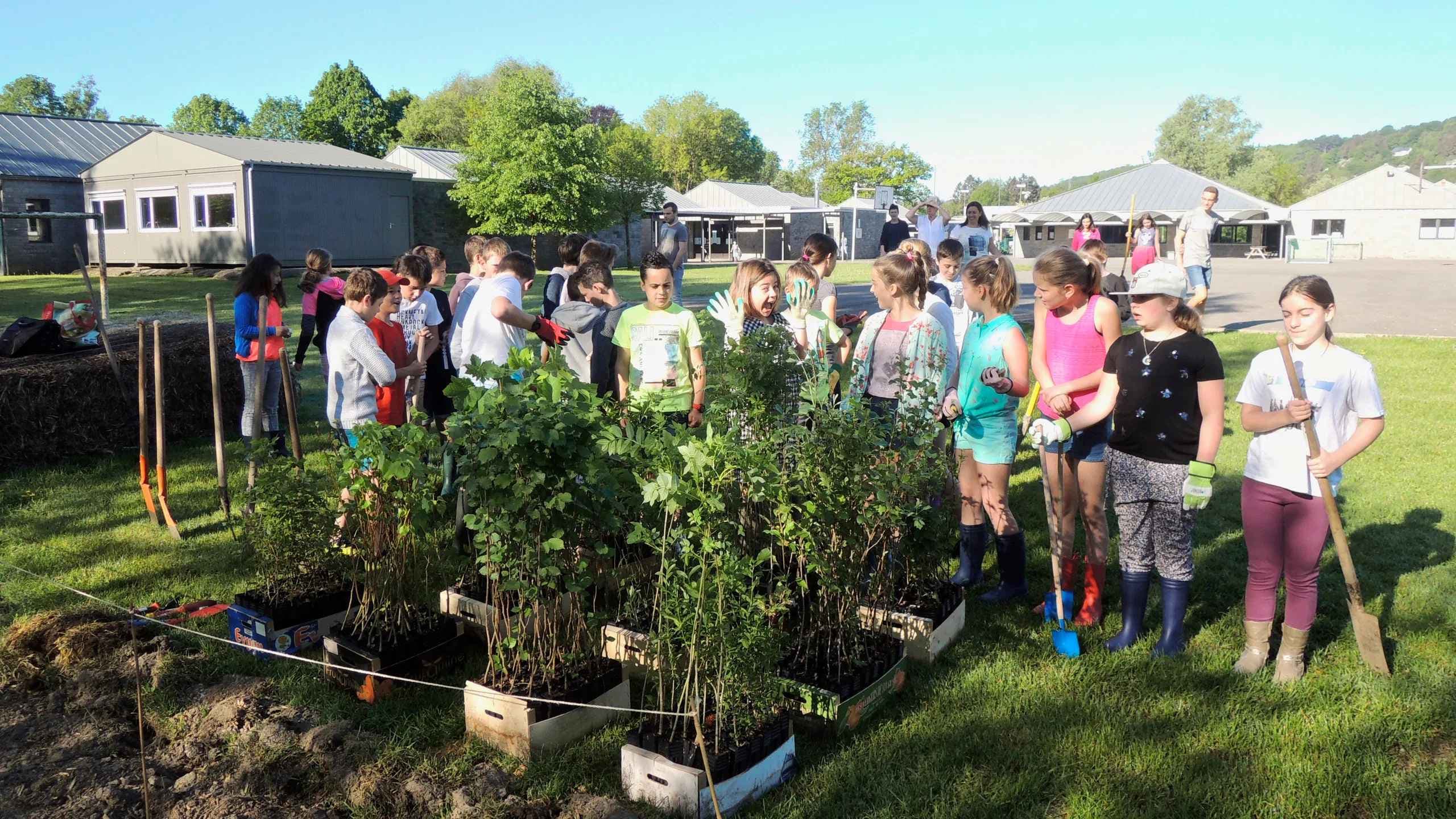
Corporate sponsorship for school forests and employer branding
Sponsoring a school forest gives your company a living, visible sustainability proof point that connects your brand to your local community and gives employees something genuinely worth talking about.
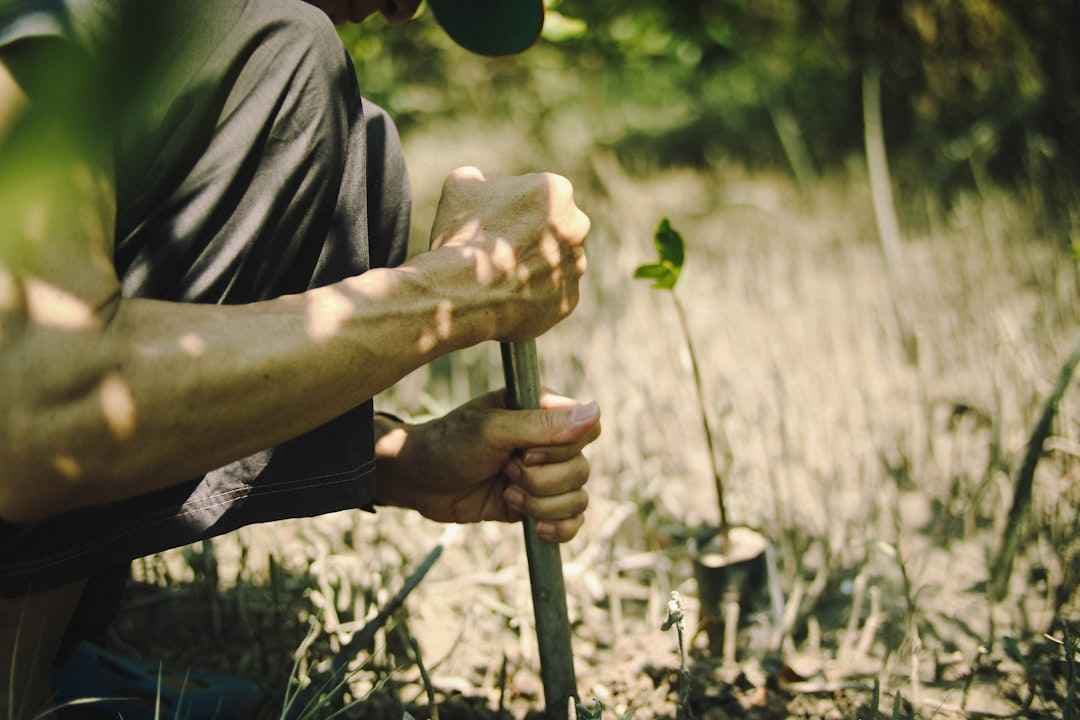
Outdoor team building: the sustainable alternative
Escape rooms and go-kart afternoons are fun for a day. A forest team day changes something your team, your CO2 targets, and your employer brand can still point to a year later.
Sustainable team building that actually creates impact
Most "green team days" produce a nice photo and a forgotten memory. Here is how to build something your team is proud of for years.