Organize a company event that actually matters

Forest Forward Team
28-07-2026
•Most staff parties are built around one question: how do we make sure everyone has a good time? That's not a bad question, but it's an incomplete one. The companies getting the most out of their events in 2026 are asking a second question: what does this event leave behind, for the team and for the world outside it? You can answer both without turning the night into a lecture, without losing the fun, and without blowing up the budget.
We see this constantly in our work with HR managers, CSR leads and marketing teams across Belgium: the moment a staff event includes a real, hands-on contribution to something outside the company, people talk about it differently. They don't describe it as "the party we had." They describe it as "the day we cleaned up that nature reserve" or "the afternoon we helped that food bank get through their backlog." That shift in language is the whole point.
Why a standard staff party stops paying off
A classic staff party delivers a good evening and not much else. People enjoy themselves, the photos look nice, and by the following Monday most of it has evaporated from memory and from the company's story.
That's fine if all you want is a night off. But if you're an HR manager trying to build genuine engagement, a CSR manager with actual ESG targets to hit, or a marketing lead who needs content that says something real about your brand, a standard party is a missed opportunity. It costs roughly the same as an event with substance, but it returns almost nothing after the DJ packs up. Compare that to an impact event built around real social good, where the same budget produces a team memory, a measurable social result, and material your comms team can actually use.
Start with the outcome, not the venue
Before you book anything, decide what change this event needs to produce. Are you trying to lift team cohesion after a hard year? Make your ESG commitments visible to your own people, not just your annual report? Give your marketing team a real story instead of another generic "team fun day" post?
Most companies skip this step and go straight to logistics: date, location, catering, band. That's backwards. Our approach at Give it Forward starts by asking what the event needs to change, not what it needs to include, because the activity, the partner organization and even the format all follow from that answer. A company trying to strengthen cross-department bonds needs a different structure than one trying to demonstrate community engagement to clients and suppliers.
Choose impact that's local and tangible
Skip abstract gestures. A donation line item or a vague "we support a good cause" mention does nothing for team spirit and even less for credibility. Choose something local, hands-on and specific instead.
In our engagements across sectors, from manufacturing floors to financial services teams, the pattern is consistent: the projects people remember are the ones where they physically did something. Restoring a stretch of forest. Sorting donations for a food redistribution organization. Helping a social farm with a task that's normally too much for their small team. Give it Forward runs Impact Events that connect corporate teams directly with social organizations across Belgium, spanning care, food distribution, waste management, nature conservation and social farms, with professionals from those organizations guiding the work on the day itself. That's the difference between "we gave money" and "we showed up."
If your ambitions lean more toward inspiring behavior change than volunteer labor, a guided sustainability walk or workshop can do that job instead. Give it Forward's sustainable Walks & Talks pair storytelling and scientific insight with an outdoor experience, turning employees into genuine sustainability ambassadors rather than passive audience members.
Make the impact measurable
If you can't quantify what the event achieved, you can't communicate it credibly, internally or externally. Before the event, agree with your partner on what will be counted: volunteer hours logged, square meters of land restored, kilos of waste sorted, meals packed, people reached.
This is where a lot of well-intentioned events fall flat. A company plants trees for an afternoon and then has nothing concrete to say about it six months later beyond "it felt good." When we design an event for a client, the deliverable isn't just the day itself, it's the report that follows: a summary the sustainability manager can drop straight into an ESG update, and the marketing team can turn into a LinkedIn post, a newsletter feature, or a slide in the next client pitch. Without that step, even a genuinely good project loses most of its long-term value.
Keep the celebration real
Impact and fun are not competing priorities. The strongest events treat the social contribution as one part of the day, not the whole day, and they close the loop with something that still feels like a celebration: a shared BBQ, a food truck, drinks, time to actually talk to colleagues you never see.
This matters more than most companies expect. An event that feels like a corporate obligation, dressed up as volunteering, backfires. People sense the difference between a genuine experience and a box-ticking exercise, and it shows up in how they talk about it afterward. Impact Events are built specifically to combine hands-on volunteer work with a social component like a BBQ or food truck, so the day still has the rhythm of a proper staff celebration, just one with a story worth telling.
Ask your event partner these questions
Not every "sustainable event" delivers what it promises. Before booking, ask direct questions and expect direct answers.
- Do you work with local partner organizations, or is this a generic, interchangeable activity? Local partnerships are what make the story credible to your own team and to anyone you tell it to.
- What will we be able to measure afterward? Get a specific answer, not "positive impact."
- Will we receive something we can use in internal and external communication? If the answer is no, you're paying for a one-off experience with no lasting value.
- Is the program actually tailored to our sector, size and values, or is it the same format sold to every client?
- How do you keep this from feeling like a mandatory activity dressed up as fun? A partner who can't answer this clearly probably hasn't thought about it.
We built our own vision around exactly this tension, between authentic connection and lasting purpose, because we've watched too many companies get a nice afternoon and nothing else out of their event budget.
When this approach doesn't work
Three things reliably break an impact-driven staff event. First, treating the social component as an add-on announced five minutes before the activity starts, which reads as an afterthought rather than something the company actually cares about. Second, choosing a cause with no real connection to the company's sector, region or values, which makes the whole gesture feel random rather than meaningful. Third, skipping the measurement step entirely, which means the CSR and marketing teams have nothing solid to work with once the day is over.
If your team is spread across multiple sites or includes families, a single evening event might not be the right format at all. In that case, look at a family day designed around nature and shared experience instead, which solves a different problem: connecting people's home lives to the company, not just their working relationships.
The generic party-and-event planners ranking for this topic sell atmosphere, catering and entertainment. None of them build in a contribution that outlasts the evening. That's the gap: a staff event can be genuinely fun and genuinely useful at the same time, and companies that figure this out get more from every euro they spend on it. Once you've run one event this way, going back to a standard party with no story and no measurable outcome feels like a step backward, not a safe choice.
Reach out through our contact page and we'll build a tailored Impact Event around your team, your sector, and a local cause worth showing up for.
Frequently asked questions
How do I organize a staff party that has real social impact?
Start by defining what change you want the event to produce, then partner with a local social or environmental organization for a hands-on activity your team can actually do together. Agree on measurable outcomes upfront, such as volunteer hours or quantities restored or distributed, and keep a celebratory element like food and drinks so the day still feels like a party, not an obligation.
Isn't a purpose-driven event more expensive than a normal party?
Not necessarily. The cost drivers are largely the same, venue, catering, group size, logistics, regardless of whether the day includes a volunteer activity. What differs is the return: a purpose-driven event produces measurable outcomes and communication material a standard party never generates, making the same spend go further.
What makes a corporate event actually memorable?
Events stick in memory when people do something physical and specific together, rather than passively attend. A shared task with a visible result, like restoring land or helping a local organization catch up on backlogged work, gives people a concrete story to tell, which is why hands-on impact activities tend to outlast standard entertainment in people's memory.
How do we measure the impact of a company event afterward?
Agree on specific metrics before the event: volunteer hours delivered, quantities of waste sorted or goods distributed, area of land restored, or number of people or organizations helped. A good event partner compiles these into a short report you can use in ESG communication, internal newsletters, and marketing content.
Can a purpose-driven event still feel like a genuine celebration?
Yes, and it should. The strongest formats treat the social contribution as one segment of the day and close with a proper celebratory element, a shared meal, a food truck, time to socialize. Treating impact and celebration as opposing goals is the most common mistake companies make when planning these events.
Share this post
Forest Forward Team
Stay up to date with our latest insights
Related articles

Corporate social responsibility programs that actually work
A CSR program only pays off when it's structural, measurable and tied to daily operations, not a one-off gesture that ends the moment the photos are posted.
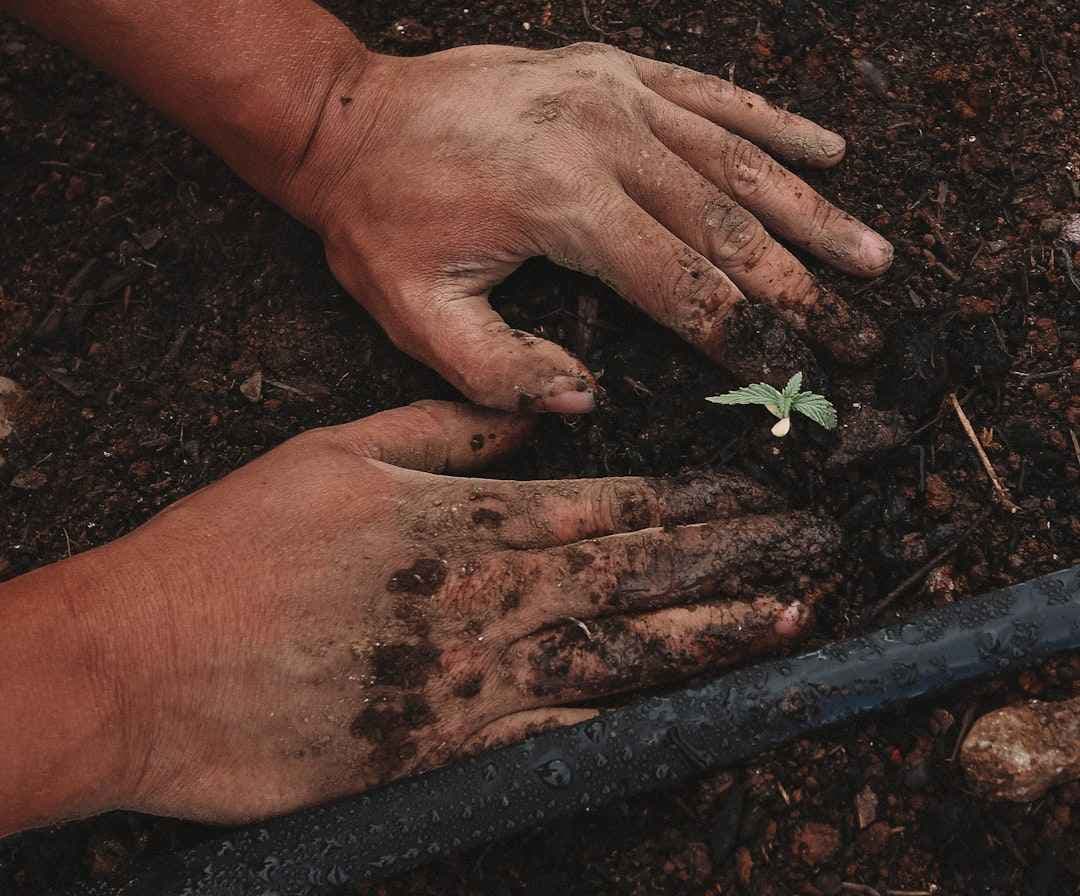
Team building tree planting days: how to make it a real team event, not just a donation
You can run a company tree planting day that is both a genuine team building experience and a real environmental project, but only if you design the day around your people, not just around the trees.
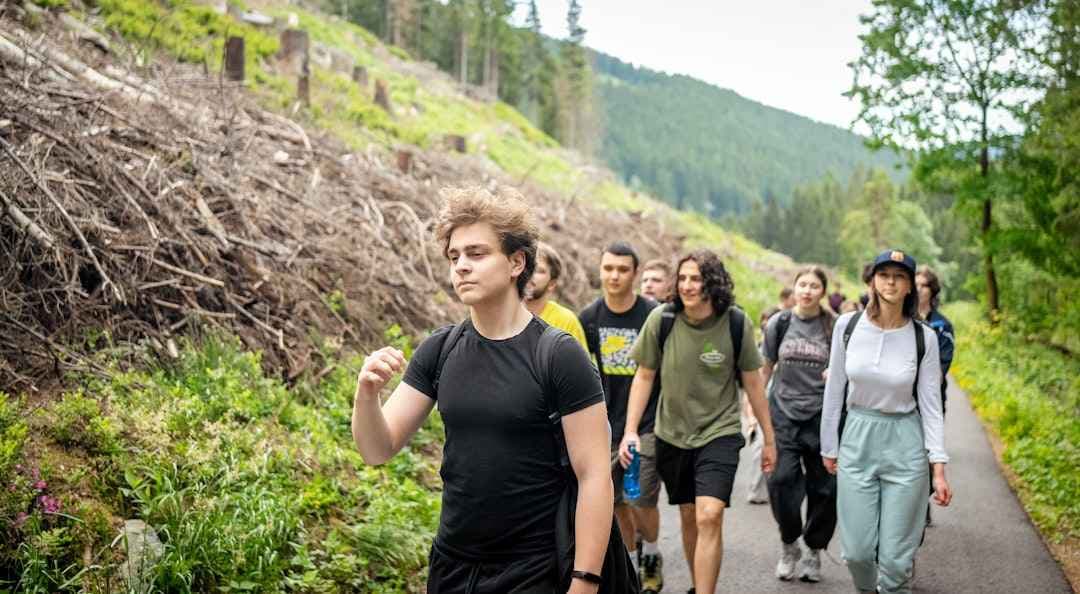
Nature-based team building: why it actually works
Nature-based team building works because it replaces artificial games with real stakes: a physical outcome, a changed landscape, a team that did something rather than played at something.